
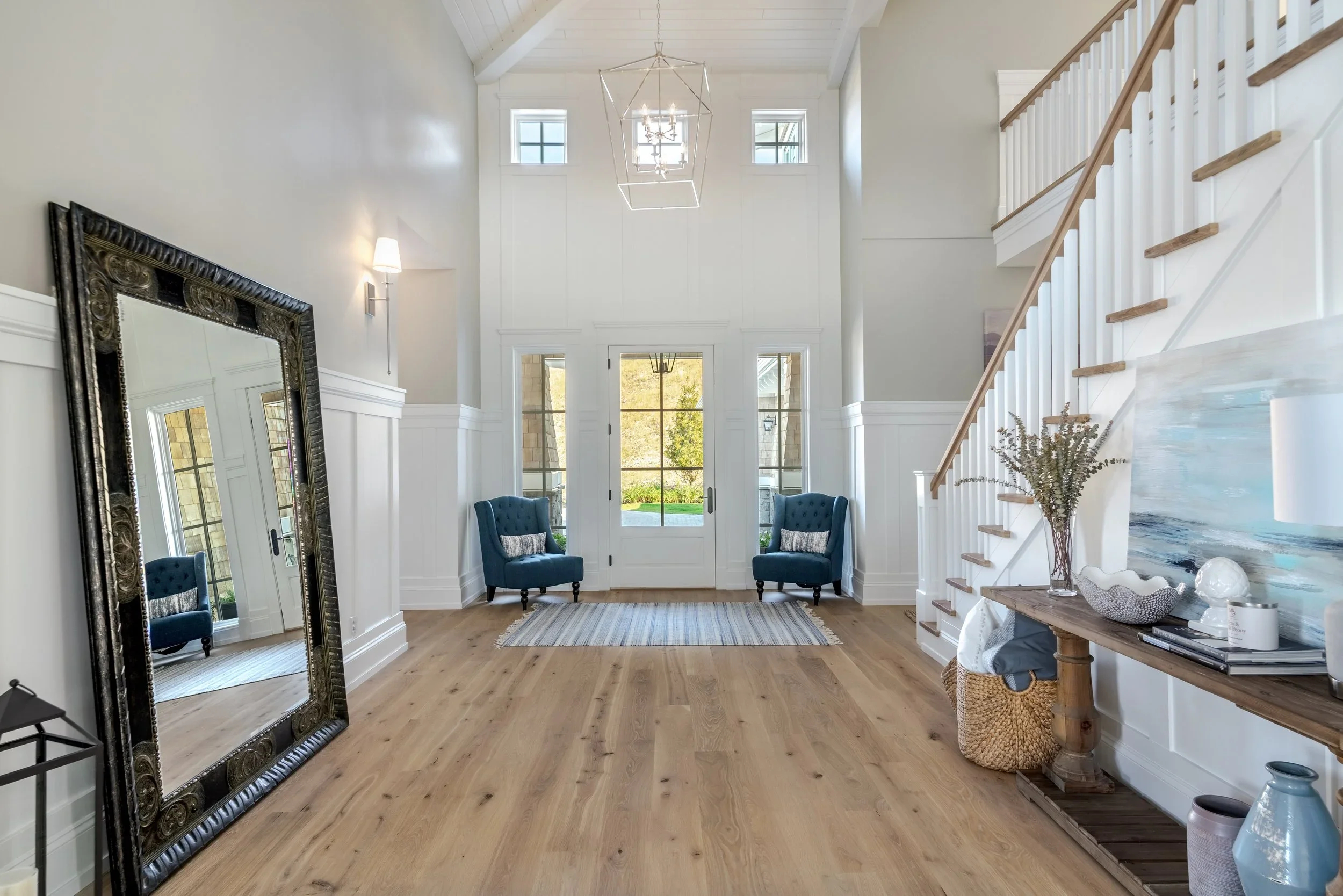
When upgrading your home, selecting the right material is essential. Many homeowners find themselves deciding between Luxury Vinyl Plank and traditional laminate. Both options offer beautiful, wood-look aesthetics at a fraction of the cost of genuine hardwood, but they serve different needs. In this guide, we provide a detailed laminate flooring comparison to help you make an informed decision for your space.
Modern flooring technology has evolved rapidly. Today, LVP flooring and advanced laminates are both highly durable, scratch-resistant, and visually stunning. However, understanding the core construction of these materials is the first step toward choosing a floor that will last for years to come.
Understanding Luxury Vinyl Plank (LVP)
Luxury Vinyl Plank is a synthetic flooring product designed to mimic the look and texture of natural wood. It consists of several layers, including a rigid core, a high-resolution print film, and a durable wear layer. Because it is made from PVC plastic, it is inherently resistant to water.
Why Choose LVP Flooring?
The primary advantage of this material is its 100% moisture resistance. If you are looking for waterproof vinyl flooring for a bathroom, kitchen, or basement, LVP is the industry standard. It handles spills, humidity, and even standing water without warping or swelling.
In addition, click vinyl flooring systems make installation straightforward for DIY enthusiasts. The planks snap together tightly, creating a floating floor that does not require nails or glue.
What is Laminate Flooring?
Laminate flooring is a multi-layer synthetic product fused together through a lamination process. Unlike vinyl, the core of most laminate planks is composed of high-density fiberboard (HDF) made from wood byproducts.
Key Characteristics of Laminate
Laminate is renowned for its realistic embossing and high-quality imagery. If your goal is to replicate the exact grain pattern of white oak or walnut, high-end laminate often provides a more authentic look than vinyl. However, because it contains wood fibers, it remains susceptible to moisture damage if water penetrates the seams or edges.
Laminate vs Vinyl Flooring: A Head-to-Head Comparison
To decide which product wins for your home, we must look at how they perform in real-world scenarios.
1. Water Resistance
This is the most significant difference in our laminate vs vinyl flooring analysis.
LVP: Completely waterproof. It is ideal for areas prone to humidity or liquid exposure.
Laminate: While many modern brands offer "water-resistant" coatings, it is not waterproof. Prolonged exposure to standing water will eventually cause the fiberboard core to expand.
2. Durability and Scratch Resistance
Both materials feature protective top layers. Luxury vinyl plank flooring typically uses a clear vinyl wear layer measured in mils. A thicker mil rating ensures higher resistance to scuffs from pets or heavy furniture. Laminate uses an aluminum oxide coating, which is extremely hard and resistant to deep scratches, though it may be more prone to chipping if a heavy object is dropped.
3. Comfort and Sound
Because LVP is often installed over a thin underlayment or features an attached pad, it feels slightly softer underfoot. Laminate is denser and can feel "hollow" when walked upon. However, both products significantly reduce noise when paired with a high-quality acoustic underlayment.
Design and Aesthetic Variety
Both categories have seen massive improvements in style. Whether you choose Luxury Vinyl Plank or laminate, you will find options that replicate:
Distressed Wood: Perfect for farmhouse or industrial interiors.
Wide Planks: Ideal for making small rooms appear larger and more open.
Matte Finishes: A modern trend that hides dust and footprints better than high-gloss surfaces.
Laminate often wins on texture. Advanced manufacturing allows for "registered embossing," where the physical texture of the board perfectly aligns with the visual grain of the wood image.
Installation Methods
Both materials typically utilize a "floating floor" installation. This means the planks connect to each other rather than being attached to the subfloor.
Click Vinyl Flooring: Requires a simple tapping block or firm pressure to lock the joints. It is easy to cut using a utility knife.
Laminate: Requires a saw for cutting due to the dense wood-fiber core. It also necessitates a more precise expansion gap around the perimeter of the room to account for natural wood movement.
Maintenance and Cleaning
Maintaining either floor type is simple. For both LVP flooring and laminate, regular sweeping or vacuuming removes abrasive grit that could dull the finish over time.
For deeper cleaning, use a damp mop with a manufacturer-approved cleaner. Avoid steam mops, as the intense heat and moisture can damage the adhesives and protective layers of both vinyl and laminate floors.
Conclusion: Choosing the Right Floor for Your Home
When deciding between Luxury Vinyl Plank and laminate, your decision should come down to the environment of the room. If you are renovating a bathroom, laundry room, or basement where moisture is a concern, waterproof vinyl flooring is the clear winner. If you prioritize the most authentic wood-grain texture and are installing in a dry area like a living room or bedroom, high-quality laminate remains an excellent, durable choice.
At Legacy Custom Floors, we help homeowners navigate these choices every day. Quality flooring is the foundation of a beautiful home, and we are here to ensure your investment provides beauty and performance for years to come.
Ready to Upgrade Your Floors?
Still unsure which material fits your lifestyle? Our experts at Legacy Custom Floors can help you compare samples and visualize the perfect look for your space.
Contact our team today to schedule your free consultation and get started on your flooring project!
Frequently Asked Questions (FAQs)
-
Prices vary based on quality, but standard laminate is often slightly more affordable than high-end, thick-core Luxury Vinyl Plank. However, you should factor in the cost of professional installation and underlayment.
-
Yes, LVP can be installed over existing hard-surface flooring, provided the surface is level and flat. Laminate also works over tile, but you must ensure the grout lines are filled to prevent "telegraphing" (where the pattern shows through).
-
Absolutely. Waterproof vinyl flooring is excellent for pet owners because it resists accidents, is easy to sanitize, and provides enough traction to prevent slips.
-
With proper care, high-quality laminate lasts 15 to 25 years. Luxury Vinyl Plank often offers longer warranties, sometimes ranging from 25 years to a lifetime for residential use.