
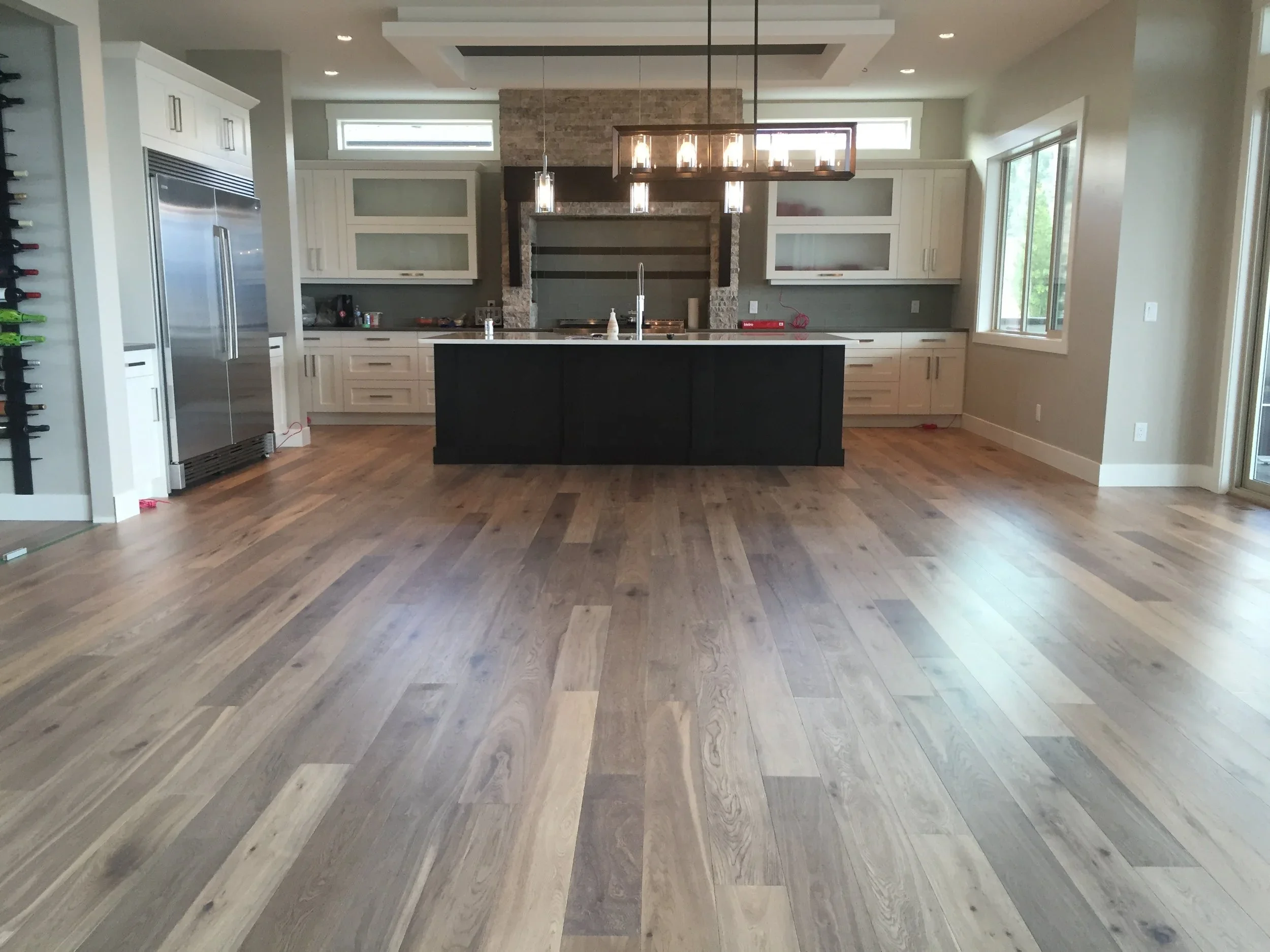
Hardwood flooring is one of the most popular choices for Canadian homeowners who want to enhance the beauty, comfort, and value of their homes. Its natural appearance, long lifespan, and timeless appeal make it a worthwhile investment for both new builds and renovation projects.
Whether you're planning to install hardwood in a single room or throughout your entire home, understanding the installation process, choosing the right flooring type, and working with experienced professionals can help ensure lasting results.
In this guide, we'll cover everything you need to know about hardwood flooring installation, from selecting the right material to preparing your home and maintaining your new floors.
Why Choose Hardwood Flooring?
Hardwood flooring continues to be a preferred option because it combines durability with classic style. Unlike many other flooring materials, hardwood can last for decades when properly installed and maintained.
Some of the key benefits include:
Timeless and elegant appearance
Increased home value
Long-lasting durability
Easy maintenance
Improved indoor air quality compared to carpet
Ability to refinish many hardwood floors multiple times
With a wide variety of wood species, finishes, and plank sizes available, hardwood flooring complements both traditional and modern interiors.
Types of Hardwood Flooring
Choosing the right type of hardwood is one of the most important decisions before installation.
Solid Hardwood Flooring
Solid hardwood is manufactured from a single piece of natural wood. It offers exceptional durability and can be sanded and refinished multiple times throughout its lifespan.
Benefits include:
Natural beauty
Long lifespan
Excellent resale value
Multiple refinishing opportunities
Solid hardwood performs best in areas with stable humidity levels and is commonly installed in living rooms, dining rooms, bedrooms, and hallways.
Engineered Hardwood Flooring
Engineered hardwood features a real hardwood surface bonded to multiple layers of plywood or high-density fibreboard.
Advantages include:
Better dimensional stability
Greater resistance to seasonal humidity changes
Suitable for basements and condominiums
Compatible with many radiant heating systems
Because of Canada's changing climate, engineered hardwood is an excellent choice for many homeowners.
Choosing the Right Wood Species
Different wood species offer unique colours, grain patterns, and durability levels.
Popular options include:
Oak
One of Canada's most popular choices, oak offers excellent durability, attractive grain patterns, and versatility for both traditional and contemporary homes.
Maple
Maple provides a clean, smooth appearance with a lighter colour that works well in modern interiors.
Hickory
Known for its exceptional hardness, hickory is an excellent option for busy households with children or pets.
Walnut
Walnut features rich, dark tones and luxurious character, making it ideal for upscale residential spaces.
Preparing for Hardwood Floor Installation
Proper preparation plays a significant role in the success of any flooring project.
Before installation begins, professional installers typically:
Inspect the existing subfloor
Check moisture levels
Ensure the subfloor is clean and level
Allow flooring materials to acclimate to indoor conditions
Plan the layout for the most attractive appearance
These steps help minimize future movement and create a stable foundation for the new floor.
Hardwood Flooring Installation Methods
Different flooring products require different installation techniques.
Nail-Down Installation
This traditional method is commonly used for solid hardwood over plywood subfloors.
Benefits include:
Secure installation
Excellent long-term performance
Ideal for most solid hardwood products
Glue-Down Installation
Glue-down installation is often used for engineered hardwood over concrete or plywood subfloors.
Advantages include:
Strong bond
Reduced floor movement
Quiet performance underfoot
Floating Floor Installation
Some engineered hardwood products feature click-lock systems that allow planks to "float" over an underlayment without being attached directly to the subfloor.
Benefits include:
Faster installation
Easier replacement of individual boards
Suitable for many renovation projects
The Importance of Professional Installation
Although some homeowners consider DIY flooring projects, professional installation offers several important advantages.
Experienced installers understand:
Proper subfloor preparation
Moisture testing procedures
Expansion gap requirements
Precision cutting techniques
Manufacturer installation guidelines
Professional installation also helps maintain manufacturer warranties while ensuring a clean, seamless finish throughout your home.
Common Challenges During Installation
Every home presents unique conditions that may require professional attention.
These may include:
Uneven Subfloors
A level subfloor is essential for preventing movement, squeaking, and premature wear.
Moisture Issues
Excess moisture can lead to expansion, cupping, or warping. Moisture testing is an essential part of every hardwood flooring installation.
Complex Room Layouts
Staircases, fireplaces, kitchen islands, and irregular room shapes require careful planning and precise installation.
Caring for Your Hardwood Floors
Proper maintenance helps preserve the appearance and performance of hardwood flooring for many years.
Recommended maintenance includes:
Sweep or vacuum regularly using a hardwood-safe attachment.
Clean with manufacturer-approved hardwood floor cleaners.
Wipe spills immediately.
Use felt pads beneath furniture.
Place mats at entryways to reduce dirt and moisture.
Maintain consistent indoor humidity throughout the year.
Avoid excessive water and harsh cleaning chemicals, which can damage the finish over time.
Signs It's Time to Replace Your Hardwood Flooring
While hardwood floors can last for decades, replacement may eventually become necessary.
Common signs include:
Deep structural damage
Severe water damage
Extensive warping
Loose or unstable boards
Repeated repairs no longer solving the problem
A professional flooring specialist can determine whether refinishing or replacement is the better solution.
Choosing the Right Hardwood Flooring Contractor
Selecting a qualified installer is just as important as choosing the flooring itself.
Look for contractors who:
Have experience with hardwood flooring installation
Provide detailed project consultations
Use quality installation materials
Follow manufacturer recommendations
Maintain a strong reputation for workmanship
Offer project warranties where applicable
Working with experienced professionals helps ensure your flooring performs beautifully for years to come.
Conclusion
Hardwood flooring remains one of the best long-term investments for Canadian homes. With its natural beauty, durability, and timeless appeal, it creates warm and inviting living spaces while adding lasting value to your property.
Choosing the right flooring, preparing your home properly, and relying on experienced installation professionals are all essential steps toward achieving exceptional results. Whether you prefer classic solid hardwood or modern engineered flooring, professional installation ensures your investment performs beautifully for many years.
Ready to Transform Your Home?
At Legacy Custom Floors, we specialize in professional hardwood flooring installation tailored to your home's style and functional needs. From helping you select the right flooring to delivering expert craftsmanship, our team is committed to quality at every stage of the project.
Contact Legacy Custom Floors today to schedule a consultation and discover the perfect hardwood flooring solution for your home.
Frequently Asked Questions
-
Most residential installations are completed within one to several days, depending on the size of the project, flooring type, and site conditions.
-
Yes. Engineered hardwood is commonly installed over properly prepared concrete using glue-down or floating installation methods.
-
Yes. Engineered hardwood features a genuine hardwood surface layer supported by multiple layers that improve stability.
-
Many engineered hardwood products are compatible with radiant heating systems when installed according to manufacturer guidelines.
-
Use a microfiber mop or vacuum designed for hardwood floors and clean with products specifically recommended for hardwood surfaces.