
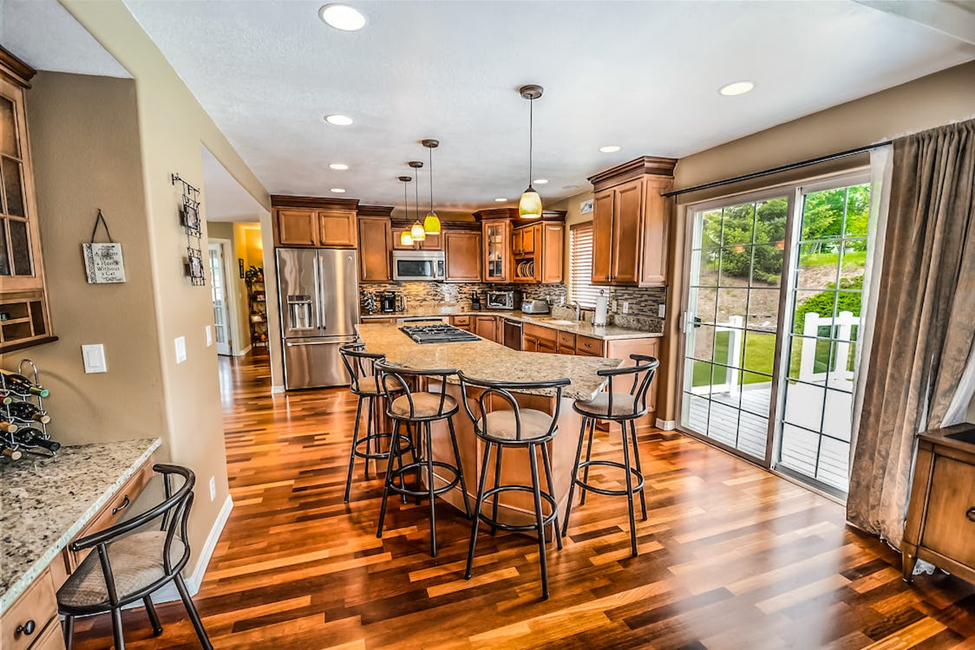
Hardwood floors bring timeless elegance and warmth to any home. Over time, however, even the most durable floors begin to show signs of wear. When scratches, dull patches, or fading start to appear, homeowners often face a key question: should I replace or refinish my floors? Choosing hardwood floor refinishing can often restore their natural beauty without the high cost of full replacement. Understanding when and why to refinish helps protect your investment and preserve the charm of your living space.
Understanding Hardwood Floor Refinishing
Refinishing is a restoration process designed to bring back the original shine, texture, and color of your hardwood floors. It involves sanding away the old finish, smoothing imperfections, and applying a fresh layer of stain and protective sealant. This method renews the surface, hides scratches, and prevents further damage.
Homeowners often confuse refinishing with resurfacing. While refinishing focuses on restoring the surface layer, resurfacing usually involves replacing damaged boards or deeper repairs. Most hardwood floors can undergo multiple refinishing cycles throughout their lifespan, keeping them looking new for decades.
Key Signs Your Hardwood Floors Need Refinishing
Even the most cared-for hardwood floors eventually show wear. Recognizing the signs early ensures you can refinish before the damage worsens. Here are the main indicators:
1. Scratches and Dents
High-traffic areas such as hallways and living rooms often develop surface scratches or dents. While minor marks may seem cosmetic, deep scratches expose raw wood, allowing moisture to seep in. Refinishing removes these imperfections, leaving a smooth and polished finish.
2. Discoloration and Fading
Sunlight, furniture movement, and foot traffic can cause uneven color and fading. If your floors look patchy or dull, refinishing can restore a consistent tone and highlight the natural grain of the wood once again.
3. Water Damage
Spills, leaks, or pet accidents can stain or warp wood planks. When discoloration persists even after cleaning, refinishing is often necessary to remove the damaged surface layer and reseal the wood against future moisture.
4. Dull or Uneven Finish
A dull floor loses its shine despite mopping or polishing. Refinishing replaces worn-out finishes, giving your floors a rich, renewed glow and smooth texture.
5. Splintering or Soft Spots
If you notice splinters or soft spots when walking across your floors, the protective coating has likely worn away. This exposes the wood to potential cracking or rotting, making refinishing crucial for preservation.
Benefits of Refinishing Your Hardwood Floors
Beyond aesthetics, refinishing offers multiple benefits that make it a smart long-term choice for homeowners.
1. Restores Original Beauty
Refinishing removes years of wear, scratches, and stains. A fresh coat of finish revives the natural character of your wood, enhancing your home’s overall ambiance.
2. Extends Lifespan
Regular refinishing prevents minor surface damage from turning into structural problems. It strengthens the wood’s protective barrier, ensuring your floors last longer with minimal maintenance.
3. Boosts Property Value
A newly refinished hardwood floor can significantly increase home appeal. Whether you plan to sell or stay, polished floors create a strong impression of care and quality.
4. Improves Indoor Air Quality
Old finishes and gaps can trap dust, dirt, and allergens. Refinishing eliminates these particles, sealing the surface and promoting cleaner indoor air.
5. Cost-Effective Investment
Replacing hardwood floors can be expensive. Refinishing delivers similar results at a fraction of the cost, extending the lifespan of your existing flooring while maintaining its luxurious appearance.
When to Choose Refinishing vs Replacement
Not every floor requires a full replacement. If your floors show superficial scratches, fading, or dullness, refinishing is typically sufficient. However, if boards are deeply warped, cracked, or the floor has already been sanded multiple times, replacement may be necessary.
One way to determine this is by checking the plank thickness. Floors with at least 1/8 inch of wear layer remaining can usually be refinished again. A flooring professional can evaluate your specific situation to recommend the best course of action.
How Often Should You Refinish Hardwood Floors?
Most hardwood floors benefit from refinishing every seven to ten years. However, the frequency depends on lifestyle factors such as foot traffic, pets, furniture movement, and cleaning habits. Lighter finishes may need attention sooner, while darker stains can hide wear for longer.
If you start seeing dull areas or exposed wood, it’s best not to delay refinishing. Acting early ensures your floors stay protected and beautiful for years to come.
Seasonal timing can also make a difference. Spring and autumn offer moderate temperatures and humidity levels, allowing finishes to cure evenly. Before scheduling the service, plan ahead for furniture removal and limited room access during drying.
Preparing for the Refinishing Process
Proper preparation ensures the process runs smoothly and produces the best results. Here’s how to get ready:
1. Clear the Space: Remove all furniture, rugs, and décor from the area.
2. Clean the Surface: Sweep and vacuum thoroughly to eliminate dust and debris.
3. Inspect for Repairs: Replace loose boards or fill small gaps before sanding.
4. Seal Adjacent Rooms: Contain dust by closing doors and using plastic sheeting.
During refinishing, professionals sand the surface, apply stain if desired, and seal the wood with a durable finish. Depending on the product used, drying can take between 24 and 48 hours. Avoid walking on the floors until the finish has cured completely.
Post-Refinishing Care Tips
After refinishing, consistent care keeps your floors looking pristine.
· Use Gentle Cleaning Methods: Dry mop or vacuum regularly to prevent dust buildup. Avoid wet mopping, as excessive moisture can harm the finish.
· Add Protective Pads: Use felt pads on furniture legs to avoid scratches.
· Lay Area Rugs: Place rugs in high-traffic zones for extra protection.
· Maintain Proper Humidity: Keep indoor humidity balanced to prevent expansion or shrinking.
· Avoid Harsh Chemicals: Stick to pH-neutral cleaners recommended for hardwood floors.
Following these habits will extend the lifespan of your new finish and maintain its luster for years to come.
Conclusion
Hardwood floors are an investment in timeless style and lasting value. Recognizing the early signs of wear and understanding the benefits of refinishing can help you make the right maintenance choices. With regular hardwood floor refinishing, your floors can stay as beautiful and resilient as the day they were installed.
If your floors show dullness, scratches, or fading, it might be the perfect time to bring back their original charm. To get professional advice or schedule a consultation, visit the contact us page today.
FAQs
-
The entire process usually takes three to five days, including sanding, staining, and drying time. Larger rooms or high-humidity conditions may extend the schedule slightly.
-
Most solid hardwood floors can be refinished multiple times. Engineered wood floors can be refinished depending on the thickness of their top veneer.
-
Typically, a solid hardwood floor can be refinished four to six times throughout its life, depending on the depth of each sanding.
-
Costs vary based on square footage, finish type, and labor, but refinishing generally remains more affordable than full replacement.
-
Yes, refinishing removes surface-level damage. However, deep gouges or water stains that penetrate beneath the surface may require localized repairs before refinishing.